


To identify the characteristics of high yielding bean crops the Bean YEN dataset was analysed as part of the NCS project. The dataset contained 145 yields and the analysis compared different spring and winter beans. More information and discussion about the results can be found here: https://farmpep.net/resource/bean-yen-what-have-we-learnt-so-far
Similar to peas, the principal yield components for beans are seeds/m2 (the number of seeds per unit area in the crop at harvest) and seed size (often measured as TSW). Seeds/m2 results from a combination of plants/m2, shoots per plant, pods per shoot and seeds per pod, which are affected and determined by different factors. Plant population (or plants/m2) is determined at the start of the season by seed rate and establishment, then shoots per plant is determined during stem extension by plant spacing and water supply. Pods per shoot, or the number of nodes per shoot, is affected by plant height and conditions during stem extension. Then seeds per pod is determined after flower fertilisation by the amount of photosynthesis. Lastly, seed size is set after flowering based on the rate and longevity of photosynthesis during grain fill. Variety differences can affect the importance of self-vs-insect-pollination for pod formation and most yield components.
Whilst these yield components can be measured in any crop, there is extra value from benchmarking your own crop against others in the YEN network, so you can see whether factors in your crop are on the low or high side given the unique conditions of that particular year. Benchmarking nutrition and agronomy choices can give immediate comparisons with other crops. As development of each yield component (e.g plant population, shoots per plant, pods per shoot, seeds per pod, seeds per m2 at harvest and seed size) occurs during different phases of growth (see Figure 1), this means the analysis of these characteristics can indicate when a crop may have been positively or adversely affected by management choices or environmental conditions.
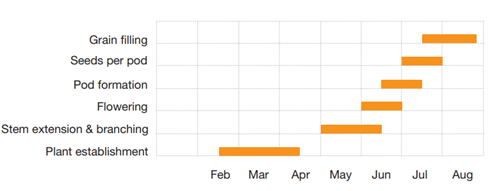
Figure 1: Yield component development of spring beans through time. Courtesy of the BASF Bean Growth Guide.
A summary of the key yield component results from the Bean YEN are below.
Bean YEN crop development, nutrition and yield components*
- Highest spring bean yields were associated with: early sowing (the YEN average is 18th March), late senescence and a long growing season
- Winter beans: too low a sample size to determine sowing date effects
- In spring beans highest yields were positively associated with:
- Pods/shoot, seeds/pod and seeds/m2, but not plants per m2 or shoots per plant
- Bean seed size (TSW)
- Plant height, individual plant and shoot biomass, crop biomass and harvest index
- Amount of potassium applied. In spring beans, there was a trend for the top 25% of yields to have more applied.
- In winter beans highest yields were positively associated with:
- Seeds/pod, plants per m2 and seeds/m2, but not pods/shoot, or shoots per plant
- Bean seed size (TSW)
- Plant height, individual plant and shoot biomass, crop biomass and harvest index
- Significant association with amount of potassium applied
- High yields come from large well podded plants with several seeds per pod and low numbers of large stems per plant
- Maximise light capture and avoid stress through flowering to increase sink size
- Seed filling important for seed size
- Avoid stress during seed fill and maximise canopy duration
*It should be noted that the analysis used is an association analysis and cannot disentangle cause and effect. (it cannot say what is driving yield but combined with expert judgement can be used to develop practical messages. ‘Effect sizes’ help explain the average variation of an average yield, but it should be remembered that many factors influence yield. A straight line is fitted to give the statistical effect size above the average, but in reality, effects may level off eventually.
Whilst associations with higher yields were seen in early sown crops in the YEN, the importance of ensuring the crop goes into the best seedbed and soil conditions as possible should not be overlooked.
|
ACTION
|
We are happy to announce that Pulse YEN sponsors may be willing to cover the costs of your Pea YEN or Bean YEN entry. To enquire about sponsorship, follow three easy steps:
- Log into your YEN account here
- Click ‘Enters YENs’ and after choosing your YEN of interest, select ‘I am a grower who would like to apply for a sponsored place’
- After completing your entry form, ADAS will pass on your enquiry to the sponsors and ask for a response within two weeks
- If the sponsor agrees they will contact you to get you registered, or ADAS will pass on the details to fully register your entry
Alternatively, prospective YEN members are welcome to discuss sponsorship directly with any contacts they already have or can cover their own costs as an individual entry. Once you are registered you will have full access to the Pulse YEN 2025 and the inclusive sample analysis:
- Peas; soil nutrition, foot rot risk, leaf nutrition, seed nutrition, pea quality, grab sample for crop physiology.
- Beans: soil nutrition, leaf nutrition, seed nutrition, bruchid beetle damage, grab sample for crop physiology
Please note that some sample kits are subject to time restrictions or may be on a first come, first served basis for a limited number of entrants.