
A practical overview for farmers, advisers, and researchers
Plasma Activated Water (PAW) is created when atmospheric plasma interacts with water, producing a solution rich in reactive oxygen and…


3
A weed can have many definitions, one being, any plant growing in a place it is not wanted. This topic focuses mainly on weeds affecting agriculture.
Generally weeds are classified into two groups:…
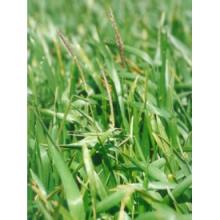
Grass weeds are a major challenge in UK agriculture and are often highly competitive in arable crops.
Some of the most common grass weeds in the UK include: Black-grass (Alopecurus myosuroides),…

3
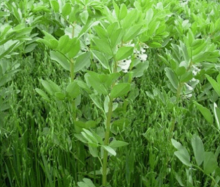
Intercropping is a method of planting two or more crops in close proximity to each other, either in alternate rows or in the same row. The goal of intercropping is to maximize the use of available…
ADOPT (Accelerating Development of Practices and Technologies) is a funding competition designed to support farmer-led, on-farm trials and experiments. Funded by the Department for Environment, Food…

3
Definition & Core Concept
Agroforestry—also referred to as agro-sylviculture—is a deliberate land-use strategy integrating productive trees into agricultural landscapes, whether alongside crops,…
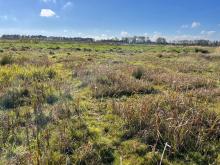
Paludiculture is the practice of growing crops in wetland conditions, typically with a water table maintained at 10–30 cm below the soil surface.

1
Lowland agricultural peats represent some of the most productive farming areas in the UK, supporting high-value horticultural crops and key staples such as wheat, potatoes, and sugar beet.

Lowland agricultural peatlands are among the UK’s most productive soils, but their drainage for farming contributes significantly to greenhouse gas emissions and long-term soil degradation. These…